Man with van in Anerley

Our man with van in Anerley service is set up for straightforward local moving work that needs careful handling, good loading practice and sensible planning rather than a full removals crew. It suits people moving a few rooms, collecting bulky items or shifting business equipment across London. We keep the service practical: clear transport, help with loading and unloading, and a flexible approach to the items that need moving.
When you want a removal option that feels less complicated than a large-scale move, this kind of service can be a good fit. It is often used for household furniture, boxes, white goods and mixed items that are awkward to move alone. We focus on making the journey organised and manageable, with the vehicle space and lifting support matched to the load rather than padded out with extras you do not need.
For a quotation, send the key details of what needs moving, where it is going and any access points that may affect loading. If you already know whether you need help at both ends, that is useful too. A short, clear enquiry usually makes it easier to shape the right service, so you can compare options without unnecessary back-and-forth.
Home moves and partial removals
Many customers use a man and van service when they are not moving an entire house but still need proper support for heavier or more awkward belongings. That might include a studio flat move, a few large rooms, or selected items from a property that are not easy to move by car. The aim is to keep the process simple while still treating furniture and household effects with care.
For home moves, it helps to think in terms of the load rather than the property type alone. Sofas, beds, wardrobes, dining tables and packed boxes each need different handling. Home moves can therefore be planned around the actual volume and the pieces that matter most, which is useful when you want a tidy service for a smaller or mid-sized move.
Choosing the right level of help
Some moves need only a vehicle and driver, while others are easier with lifting support at both addresses. If there are stairs, narrow entrances or long carries, those details affect the plan. We can usually work around a mixed load too, so a few pieces of furniture can travel alongside bags, suitcases, boxes and non-fragile household goods without needing a separate arrangement for each item.
Furniture collection and transport

Furniture collection is one of the most practical uses for a van-based moving service. It can be a single item from a seller, a replacement for a room you are refitting, or several pieces moving together from one address to another. The main thing is that the items are loaded securely, protected where sensible and arranged so that heavier pieces do not damage lighter ones.
If you only need one or two bulky items moved, a larger removal operation may be unnecessary. Furniture pick-up suits customers who want structured collection and delivery without arranging a separate transport method. It is also useful when items are too large to fit into a standard car or too awkward to carry unassisted over longer distances.
Good furniture transport depends on preparation as much as lifting. Clear access, measured dimensions and a basic understanding of whether items can be dismantled all help the work go smoothly. We can move most common household pieces, but delicate finishes, glass and loose fittings should be mentioned early so the load can be considered properly before the day.
Commercial moves and office relocation
Our service also supports commercial customers who need a more modest move handled efficiently. That can include desks, chairs, boxed files, shelving, stock and general office contents. It is often used by small businesses, studios, clinics, traders and home-working setups that need a dependable transport arrangement without the scale of a full fleet-led relocation.
Commercial moves are best planned around access, item type and any timing restrictions at the pickup or delivery point. Office furniture can be bulky but not especially fragile, while IT equipment, paperwork and display items may need a steadier approach. Keeping the load grouped sensibly makes it easier to move equipment in the order that suits your workplace and reduces unnecessary handling.
Office items that benefit from careful loading
Light office removals often include boxed archives, monitors, compact printers, pedestal drawers and meeting room furniture. These items can travel with household goods, but they need a van layout that avoids crushing or movement in transit. If you are moving between floors or dealing with shared building access, say so in advance so the loading plan reflects the reality of the premises rather than assuming a simple doorway transfer.
Packing support and organised loading
Packing is not always the main reason people book a van, but it often makes the difference between a move that feels calm and one that feels rushed. Items packed in a sensible order are easier to stack, secure and unload in the right sequence. That matters for fragile household items, mixed office contents and awkward-shaped belongings that do not sit neatly in boxes.
If you want help with the preparation as well as the transport, packing and unpacking services can be a useful addition to the move. This is especially helpful when the load includes breakables, seasonal storage items or a mixture of personal belongings and practical essentials. Packing support does not need to be elaborate; it just needs to reduce avoidable movement and make the job more efficient.
For a better quotation, it helps to know whether the items will be boxed, bagged or left loose. Good packing protects both the contents and the van space, because stable stacks are easier to secure than uneven piles. If you are not sure how to describe the load, a simple list of the larger items and the number of boxes is usually enough to begin with.
Man and van removals across different load sizes

Not every move needs a large lorry or a full team of movers. A man and van removals service is often the practical middle ground when the load is too much for a car but does not justify a larger removal operation. That makes it suitable for downsizing, student moves, replacing furniture, or moving selected contents from one address to another.
Man and van removals can cover mixed loads that combine furniture, boxed possessions and bagged items. The main advantage is flexibility: the service can be shaped around the amount of work involved rather than forcing everything into a fixed-size package. That helps when one customer needs a single trip and another needs a carefully arranged multi-item move.
There are a few practical factors that influence the quotation. Distance, item count, access, loading time and whether any pieces need dismantling or reassembly all play a part. If you share these details early, it is easier to judge the work accurately. For many customers, the best result is a clear plan that matches what is actually being moved rather than a generic moving estimate.
Van and vehicle options for local transport
Choosing the right vehicle is an important part of any move, because load shape matters as much as total volume. Some items are light but awkward, while others are compact yet heavy. A well-matched van helps keep the load secure, reduce unnecessary trips and create enough room for the items to sit without pressure against one another.
Moving van and removal van pages are useful if you want to understand the kind of transport involved for different moving jobs. Vehicle choice is often influenced by the size of furniture, the number of boxes and whether the job includes part-load or whole-load transport. It is also worth thinking about parking space at both ends, especially in busier streets or shared developments.
How to prepare for a smooth loading day
Before the move, it helps to keep pathways clear, label boxes where practical and separate anything that should travel with you personally. If there are fragile items, awkward appliances or objects with detachable parts, mention them rather than leaving them to be discovered on arrival. A straightforward preparation process makes it easier to load efficiently and keep the move organised from the start.
Home removals for larger household moves
Some customers start with a van-based move and then realise the job is closer to a full household removal. In that case, a broader moving service can still be useful where the main challenge is transport, loading and safe handling rather than storage or long-term project management. It can suit family homes, larger flats and moves that involve more rooms or more furniture than expected.
House removals and House movers are relevant where the work extends beyond a light local run. They can cover whole-house furniture, appliances and packed belongings in a more structured way. Even when the move is simple, the arrangement needs to respect the sequence of loading so that essential items are accessible and breakables are kept apart from heavier objects.
Customers often ask how to decide between a partial move and a larger one. The answer depends on the total volume, not just the number of rooms. If a property has been decluttered already, a smaller van-based service may be enough. If the move involves beds, wardrobes, multiple white goods and many boxes, it becomes more sensible to plan around a broader removals format.
About Anerley
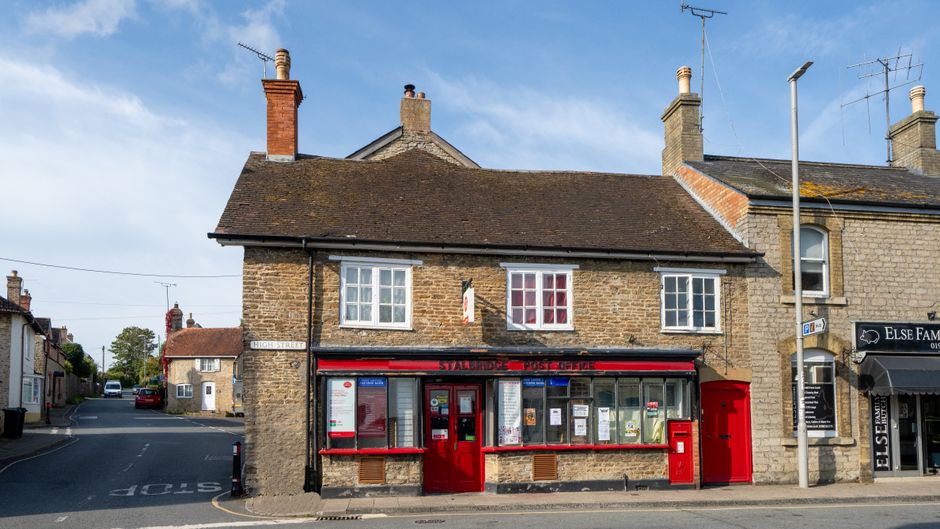
Anerley is a South East London district within the London Borough of Bromley, sitting close to the boundary with other well-known parts of the former Crystal Palace area. Its name is unusual in London place-history because it is believed to have been taken from a house rather than from an older village or manor, and the district developed significantly during the nineteenth century as suburban rail travel expanded. The area is shaped by transport routes as much as by topography, with Anerley railway station providing a useful local reference point and nearby connections linking the district to Crystal Palace, Norwood and Penge. The wider streetscape includes terraced housing, interwar development and later infill, creating a varied residential pattern rather than a single uniform style. Not far away, Crystal Palace Park remains one of the most recognisable open spaces in the wider district, with its lakes, terraces, sports use and historic associations. Anerley also sits beside a corridor of everyday local trade and residential life, where smaller parades, schools and community facilities sit within a largely suburban setting. The area’s position on the slope of the Norwood Ridge means views, gradients and changing levels are part of its character, and its roads often reflect that landscape in subtle ways. As with many parts of inner south London, the present-day place combines nineteenth-century growth, later rebuilding and the continuing influence of railway geography.
Household items, appliances and awkward loads

Household transport often includes items that are too heavy, too wide or too fragile to carry comfortably without help. Fridges, washing machines, chest freezers, wardrobes and large tables all need a sensible approach to lifting and securing. The work is not only about strength; it is about choosing the right order, protecting surfaces and preventing movement while the van is in transit.
Man with van removal services are often chosen for exactly this sort of mixed household load. They suit people who need practical moving support for a few large items and a number of smaller ones at the same time. If there are tight turns, stairwells or shared entrances, the job can still be handled, but the movement needs to be considered in advance rather than left to chance.
It is worth identifying anything that may need special handling before the move starts. Glass shelves, removable doors, loose fittings and awkward cables are all easier to manage when mentioned up front. A short written summary of the larger items is usually enough to help shape the plan and avoid last-minute confusion when the van arrives.
Pricing factors and quotation details
People often want a clear figure quickly, but moving work is usually priced according to a combination of practical details. Distance, loading time, size of the van required, access at each address and the amount of lifting support needed can all affect the total. If there are stairs, limited parking or complex entry points, those details matter because they change the time and effort involved.
Pricing and quotes information is most useful when it helps you understand which details shape the final figure. That can include whether the load is mainly boxes, mainly furniture or a mixture of both. It may also matter whether you need a simple one-way transport run, a collection from storage or a route that includes more than one stop. Clear information usually leads to a more accurate quotation.
When requesting a quotation, keep your description plain and direct. State the pickup and delivery areas, list the biggest items, mention any access restrictions and say whether you want loading help. That is usually enough to begin a sensible conversation, and it avoids overstating the job or leaving out the points that most affect the arrangement.
Contacting us and arranging the move

Once you know what needs moving, the next step is to share the basics and ask for a quotation. A useful enquiry is brief but complete: what is being moved, how much there is, where it is going and whether you need help at both ends. If there are fragile items or anything unusually heavy, say so at the start so the service can be matched to the work properly.
You can also use this service for practical one-off jobs that sit outside a full house move, such as a single piece of furniture, a collection from storage or a modest office transfer. Contact us when you are ready to discuss the details, and we can help you shape a move that feels straightforward and well organised from the first message.
For customers comparing options, a good quotation should feel clear rather than complicated. That is why it helps to give honest details and avoid guessing about the load size. If you are ready to move forward, send the job details and request a quotation so the next step is based on the actual work, not on assumptions.