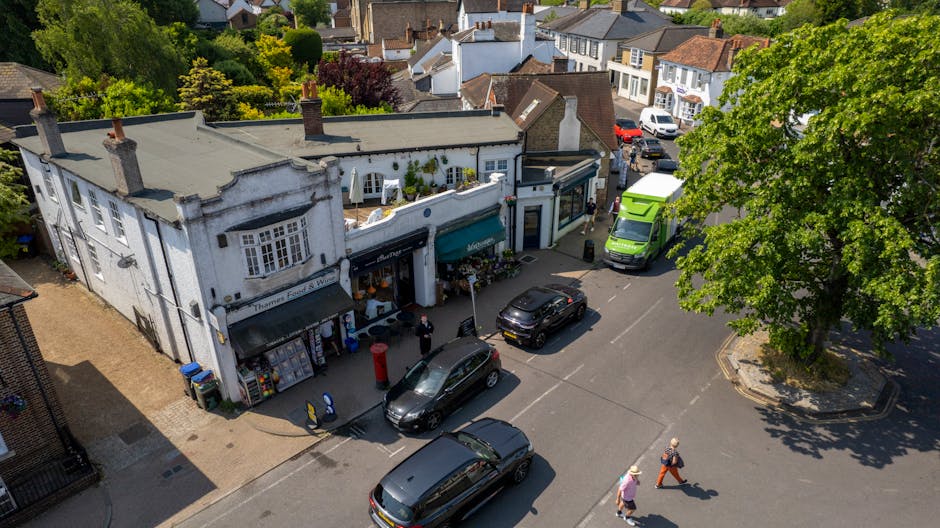
Penge High Street small moves and local removals in Anerley
If you are trying to move a sofa across town, clear a flat above a shop, or shift a few heavy boxes without turning the whole day into a saga, Penge High Street small moves and local removals in Anerley is exactly the kind of service that makes life easier. The job sounds simple on paper. In real life, though, narrow stairwells, parking pressure, awkward corners, and the usual London timing headaches can make even a small move feel strangely complicated.
This guide breaks the subject down in plain English. You will find out how small moves and local removals typically work, what to expect, where the main risks are, and how to decide whether a man and van setup, a fuller removals service, or packing support is the better fit. A lot depends on access and timing, truth be told. That is often the bit people underestimate.
Whether you are moving from a flat near Penge High Street, relocating between nearby streets in Anerley, or just need a few items moved safely and quickly, the goal is the same: get it done cleanly, affordably, and without drama. Let's face it, nobody wants to spend a Saturday arguing with a wardrobe.
- Why local small moves matter in Penge and Anerley
- How the moving process usually works
- Main benefits and practical advantages
- Who this service suits best
- Step-by-step moving guidance
- Expert tips for smoother results
- Common mistakes to avoid
- Tools, resources and useful recommendations
- Compliance, safety and best practice
- Options and comparison table
- Real-world example
- Practical checklist
- Conclusion
- Frequently asked questions
Why Penge High Street small moves and local removals in Anerley Matters
Small moves are easy to dismiss until you are actually in the middle of one. A single heavy item can be more awkward than a whole room of light boxes. A short local move can also be surprisingly time-sensitive, especially if you are juggling building access, parking restrictions, work hours, or a key collection window. Around Penge High Street and Anerley, that mix is pretty common.
This part of south London has a lot going on in a compact area: terraces, flats, shopfronts, maisonettes, and older properties with tight internal access. You might only be moving two streets away, but if there is a narrow staircase, a shared entrance, or limited stopping space, the move needs proper planning. That is why local removals are not just about distance; they are about practical movement in a real neighbourhood.
For many people, the real value is control. You do not need a massive lorry or a full-day team if the job is small. You need the right vehicle size, the right number of people, and someone who can work efficiently in a live urban setting. That is where a well-run local moving service earns its keep.
There is also a trust angle here. When you are hiring help for a local move, you want the task handled carefully, not hurriedly. Furniture scratches, dropped boxes, and awkward lifting can cost more than the move itself if things go wrong. A sensible mover understands that, and plans around it rather than pushing through and hoping for the best.
Expert summary: Small local removals matter because they save time, reduce strain, and match the scale of the job to the scale of the vehicle and crew. In busy streets like Penge High Street and nearby Anerley roads, that fit makes all the difference.
How Penge High Street small moves and local removals in Anerley Works
Most local small moves follow a fairly straightforward pattern, even if every property is a little different. The first step is usually an enquiry or quote based on item list, property type, access, and distance. For a small move, the mover may ask how many boxes there are, whether anything is fragile, and whether the job involves stairs, lifts, or parking challenges. That information matters more than people think.
Next comes planning. On a normal local job, this might involve choosing a van size, estimating loading time, and deciding whether one mover or two are needed. A single item collection can sometimes be done quickly with one person and a van, while a flat move from one Anerley address to another may need a bit more structure.
On moving day, the team usually arrives with basic equipment such as blankets, straps, a trolley, and sometimes protective covers. Good movers will check the route through the property before lifting anything. That sounds obvious, but it saves a lot of grief. A sofa that looks manageable in the lounge can become a different beast at the top of a stairwell.
Once items are loaded, the journey is often short. That is part of the appeal. Local removals are less about long-haul logistics and more about precision, speed, and safe handling. At delivery, items are unloaded into the correct rooms or left where you specify. If unpacking or reassembly is included, it is usually handled then, when the layout is still fresh in everyone's mind.
One practical note: local moves often run more smoothly when the customer has done a bit of prep. Clear paths. Label boxes. Keep keys, documents, and valuables separate. It sounds basic, but it really is the difference between a tidy two-hour job and a fiddly afternoon.
Key Benefits and Practical Advantages
Local small moves have a few clear advantages over a larger, one-size-fits-all removals booking. The first is cost control. If you are only moving a handful of items, a smaller van and shorter job window can often be a better fit than paying for capacity you do not need. The second is speed. For short-distance work, the transfer itself is quick, so the bulk of the value comes from careful loading and efficient access handling.
Another major benefit is flexibility. Maybe your seller has given you a narrow handover window. Maybe the item is being picked up from a shop on Penge High Street and delivered to a flat in Anerley before the evening rush. A local team can usually adapt more easily than a national operation working to rigid long-distance schedules.
There is also less stress on the customer side. People often underestimate the physical side of moving. Carrying a washing machine down a staircase is not a casual task. Hiring help means you are not asking your back, your friends, and your car boot to do more than they should. To be fair, that alone is worth something.
Some of the most practical benefits include:
- right-sized transport for a smaller job
- shorter travel time and less waiting around
- better handling of stairs, corridors, and awkward access
- less risk of damage from improvised lifting
- more predictable scheduling for local drop-offs and collections
- lower disruption for flats, shared homes, and business premises
For local residents and small businesses, the last point matters a lot. Nobody wants a delivery that blocks the pavement, delays customers, or leaves a building entrance cluttered. A good local move works with the street, not against it.
Who This Is For and When It Makes Sense
This kind of service is ideal if your move is too much for a car but too small for a full-scale house removal. That middle ground is where a lot of real moving lives. People in this category often say, "It's only a few things," and then list a bed frame, three bookcases, a mattress, and a desk. Suddenly it is not that small after all.
Typical customers include:
- flat renters moving within Penge, Anerley, or nearby areas
- students or young professionals shifting a few key belongings
- families moving bulky items between homes
- landlords and letting agents dealing with furniture changes
- small shops or offices relocating stock, desks, or display items
- people buying second-hand furniture from local sellers
It also makes sense when timing matters more than volume. Maybe you are handing over a room at short notice. Maybe the new place is ready but only for a very specific time slot. Maybe you have a hospital appointment, school run, or work shift and need the move done in a narrow window. That is exactly the sort of job where a local moving service can reduce the noise around the day.
And if you only have one or two awkward items? That is still worth considering. Heavy furniture is a nuisance if you are doing it alone. One wrong corner, one wet pavement, one bad grip, and suddenly the "quick job" becomes a story you tell for weeks.
Step-by-Step Guidance
If you want a smoother move, the process starts before the van arrives. Here is a simple way to handle it.
- List everything clearly. Write down each item, box count, and anything unusually heavy or fragile. Include measurements if space is tight.
- Check access at both ends. Staircases, lifts, doorway widths, parking restrictions, and loading distances all affect the time needed.
- Sort what you are taking. It is easier to move a planned pile than a last-minute scramble of mixed bags and loose items.
- Reserve parking or think through stopping points. In a busy local area, that small detail can save a lot of dragging and doubling back.
- Pack with the journey in mind. Use sturdy boxes, tape them properly, and keep fragile items apart from the heavy stuff.
- Prepare the property. Clear hallways, take rugs out of the way, and protect surfaces if needed.
- Keep essentials separate. Phone charger, documents, keys, toiletries, and a change of clothes should not disappear into the moving pile.
- Walk the mover through the job. A quick five-minute briefing can prevent a lot of confusion later.
- Check the delivery layout. Decide where each item should go before unloading starts. It sounds trivial, but it saves repeat lifting.
One useful habit is to keep a "do not load last" box for the things you need straight away. Tea bags, medication, charging cables, and a kettle can make the first night feel human again. Small detail. Big impact.
Expert Tips for Better Results
After enough local moves, a few patterns become obvious. The first is that access beats distance almost every time. A five-minute journey with a third-floor walk-up can be harder than a longer drive with good loading space. So if you are comparing options, think about the physical route, not just the map.
Second, communicate clearly. If you have a piano stool, a mirror, a disassembled bed, or an item that needs gentle handling, say so in advance. People sometimes hold back details because they think they are minor. They rarely are. The moving team can only plan around what it knows.
Third, avoid overpacking boxes. This is one of those mistakes that seems clever until your arms are halfway down the stairs. A box packed to the brim with books can become unhelpfully heavy very quickly. Mix heavy and light items where sensible, and keep the weight manageable.
Fourth, use soft protection where needed. Blankets, wrap, and corner protection are not glamorous, but they are practical. The same goes for door frame care. One scuff on a painted hallway can turn an easy move into an apologetic one.
And finally, do not plan everything for the last possible minute. People do this all the time. Then they wonder why the move feels frantic. Give yourself a buffer, even if it is only thirty minutes. Moving has a way of producing little delays. A missing key. A neighbour who needs to get past. A sofa that will not angle right. Normal stuff, but it adds up.
Small tip, big payoff: take a quick photo of each room before the move and another once it is loaded. It helps if you need to remember where something went, and it gives you a visual reference for reassembly later.
Common Mistakes to Avoid
Some moving problems are avoidable almost to the point of being annoying. You look back and think, "Why didn't I just do that properly the first time?" Here are the big ones.
- Underestimating access. The move may be local, but stairs, doorways, and parking can still create real delays.
- Failing to measure large items. A sofa or wardrobe can seem fine until it reaches the landing.
- Leaving packing too late. Last-minute packing is where breakages and missing essentials tend to happen.
- Not labelling boxes. If every box looks the same, unpacking becomes a scavenger hunt.
- Forgetting to mention fragile or awkward items. Transparency is useful. Nobody likes surprises when lifting.
- Choosing a vehicle that is too small. Multiple trips can eat into time and value.
- Ignoring weather and street conditions. Wet pavements, dark evenings, and busy traffic make loading slower and less comfortable.
Another mistake is assuming a smaller move needs no planning. It does. Maybe less than a full house move, yes, but not none. Even a single-item collection needs a sensible plan if the item is valuable, heavy, or being taken from a tight property. The quiet jobs are the ones that catch people out.
Tools, Resources and Recommendations
You do not need a garage full of equipment to make a small move go well. A few basic items can make the process much calmer. If you are handling your own packing before a local removal, these are worth having ready:
- strong boxes in a few sizes
- good-quality packing tape and a tape gun if possible
- permanent marker for labels
- bubble wrap or paper for delicate items
- furniture blankets or soft covers
- ratchet straps or tie-downs, if used safely and properly
- a sack truck or trolley for heavier boxes where suitable
- basic cleaning supplies for the old and new place
In practical terms, a lot of people also benefit from using packing and unpacking support when time is tight. If you have a busy work week or a move that has to happen before school pickup, some extra help can make the whole thing feel far less spiky. For heavier, all-purpose domestic moves, services such as packing and unpacking services can remove a surprising amount of pressure.
It can also help to think about transport type. For example, a compact local job may suit a smaller man and van arrangement, while a job with more furniture or multiple stops may need something closer to a removal van or a larger moving vehicle. The right choice depends on the shape of the job, not the label.
If you are comparing providers, pay attention to the quote process too. Transparent pricing, clear scope, and proper communication are far more useful than a cheap headline number that changes later. You want clarity. Everyone does, really.
Law, Compliance, Standards, or Best Practice
For local removals, the main compliance considerations are usually practical rather than complicated. Safe lifting, vehicle loading, insurance, and responsible handling of property all matter. Good operators should work in line with sensible health and safety practice, especially when moving items through shared entrances, stairwells, or public pavements.
If a mover is carrying out a commercial or mixed-use job, there may be additional expectations around access times, building rules, and protecting floors or communal areas. In residential settings, the same basic standards still apply: careful handling, clear communication, and respect for neighbours and shared spaces.
Insurance is another one to ask about. Not because you expect trouble, but because it is part of making a grown-up decision. If anything is damaged in transit or during loading, you want to know how that is handled. You should also expect clear terms around what is included, what is not, and whether there are restrictions on particularly fragile or high-value items.
For customers, good practice is simple:
- give accurate item descriptions
- mention access issues before booking
- keep walkways clear where possible
- label fragile items clearly
- check whether parking or waiting restrictions affect the job
- read the service terms before confirming
If you want to understand a provider's standards more deeply, pages such as health and safety policy, insurance and safety, and terms and conditions can be useful reference points. They give you a better feel for how seriously a company treats the work.
Options, Methods, or Comparison Table
Choosing the right method is often the difference between a smooth move and a slightly chaotic one. The best option depends on what you are moving, how far, and how much lifting is involved. Here is a straightforward comparison.
| Option | Best for | Pros | Trade-offs |
|---|---|---|---|
| Man and van | Small local moves, single items, light flat moves | Flexible, quick, usually cost-effective | Less suitable for larger homes or many bulky items |
| Removal van with crew | Heavier local moves, multiple bulky items, more lifting | Better handling capacity, less strain on you | Can cost more than a basic one-person service |
| Packing plus moving | Busy households, fragile belongings, tight timelines | Reduces stress and saves time | Requires more coordination and usually a bigger budget |
| Self-move | Very small jobs with light items | Most control over timing | More physical effort, higher risk for heavy or awkward furniture |
If you are moving within a few streets of Penge High Street, a compact service often makes the most sense. If the job involves awkward furniture, tight access, or a stressed time window, paying for extra help can be a better decision than trying to save a little and losing a lot of time.
Case Study or Real-World Example
Here is a simple real-world style example. A renter on a side road near Penge High Street needed to move from a first-floor flat to another nearby property in Anerley. The job looked minor at first: a bed frame, mattress, small desk, two chairs, a TV, and about a dozen boxes. Easy enough, right? Not quite.
The old flat had a narrow staircase with a turn halfway down, and the new place had a tighter entrance than expected. There was also the usual local parking puzzle, which everyone pretends will be fine until the moving van appears. After a quick route check and a bit of pre-planning, the move was done without damage and without multiple trips.
The customer had packed fragile items separately, labelled the boxes by room, and kept essentials in a small overnight bag. That made unloading quick. The whole job felt less like a stressful relocation and more like a tidy logistics task. Not glamorous, no. But efficient, and that matters.
The lesson is simple: small moves go best when they are treated like real moves, not just loose transport jobs. The more you prepare, the less the day can surprise you.
Practical Checklist
Use this checklist if you want to keep things calm on moving day.
- Confirm the exact collection and delivery addresses
- List every item that needs moving
- Measure large furniture and note stair access
- Check parking and loading access at both ends
- Pack fragile items separately and label clearly
- Keep documents, keys, medication, and chargers with you
- Clear hallways and remove trip hazards
- Protect floors and door frames if needed
- Tell the mover about anything heavy, awkward, or fragile
- Keep a quick room plan for unloading
- Review the quote and service terms before confirming
- Leave a small buffer for traffic or access delays
If you can tick most of those off, you are already ahead of the curve. Honestly, that is half the battle.
Get a free quote today and see how much you can save.
Conclusion
Penge High Street small moves and local removals in Anerley are at their best when they are treated as practical, location-aware jobs rather than generic transport. The streets are local, yes, but the details still matter: access, timing, protection, and the right size of vehicle all shape the outcome.
If you are moving a few items, shifting between nearby flats, or arranging a small business collection, the smartest approach is usually the simplest one. Plan clearly, measure properly, ask the right questions, and choose a service that fits the job instead of forcing the job to fit the service. That is where the real value sits.
And if you are still weighing it up, that is normal. Good moving decisions usually come from a bit of calm thinking, not a rush. Get the basics right, and the rest tends to fall into place. Move well, and the day feels lighter than you expected.
Frequently Asked Questions
What counts as a small move in Penge or Anerley?
A small move usually means a limited number of items, a studio or one-bedroom flat, a few bulky pieces of furniture, or a short local collection and delivery. The real test is not the label, though. It is whether the move can be handled efficiently with a smaller team and vehicle.
Is a man and van suitable for local removals around Penge High Street?
Yes, often it is. A man and van setup can be ideal for short-distance jobs, single-item moves, and smaller flat removals. It is especially useful where access is tight and a full removals crew would be more than you need.
How far in advance should I book a local move?
For straightforward jobs, a few days may be enough. For busier periods, weekend slots, or time-sensitive moves, earlier is safer. If you have a fixed handover time, book as soon as you can. Local availability can tighten up quickly.
Do I need to pack everything myself?
Not always. Some people pack their own items and only hire transport, while others prefer packing support as well. If you are short on time or dealing with fragile belongings, packing and unpacking help can be a sensible option.
What if my flat has stairs and no lift?
That is very common in local removals, especially around older buildings. Just mention it in advance so the mover can plan the crew size, equipment, and time needed. Stairs do not make a move impossible, but they do change the job.
How can I make a small move cheaper?
Be organised, reduce the number of items where possible, and provide clear information at the quoting stage. Accurate details help avoid delays and extra charges. Also, try to keep access simple and load-ready when the mover arrives.
What items are hardest to move locally?
Large wardrobes, sofas, beds, washing machines, mirrors, and glass items are often the trickiest. They can be awkward in narrow hallways or stairwells, so they need careful handling and proper planning.
Can local removals handle just one item?
Yes, many can. One-item moves are common for furniture collection, marketplace purchases, or items being sent to another address nearby. It is usually best to mention the item's size and weight clearly so the right vehicle is sent.
Should I choose the cheapest quote?
Not automatically. A low price can be fine if the service scope is clear, but the cheapest option is not always the best value. Check what is included, how the mover handles access issues, and whether insurance and terms are clear.
What should I do on moving day?
Keep pathways clear, have keys and documents ready, and make sure fragile or essential items are set aside. A short walk-through with the mover helps too. It sounds simple, and it is. Simple is good on moving day.
Are there special rules for local moves in busy streets?
There can be practical restrictions around parking, loading, and neighbour access, especially in busier areas. You do not need to turn it into a legal project, but it does help to check the access situation carefully before the day arrives.
How do I know whether I need a removal van or a moving van?
If the job is small and straightforward, a basic moving van may be enough. If there are more items, heavier furniture, or multiple stops, a larger removal van or crew may be more suitable. The choice should match the scale and complexity of the move.
Can a local removals team help with furniture pick-up only?
Yes, that is a common request. If you are collecting furniture from a seller, shop, or storage point and need it delivered locally, a dedicated furniture collection service can be the easiest route.
Where can I learn more before booking?
It helps to look at a provider's service pages, pricing information, and policies so you understand what is included. A clear site with straightforward details usually tells you a lot about how the company works. If you want a broader overview, the blog can also be a useful place to start.